Public Sector Solutions, Children & Families, Results-Based Funding

Key Takeaway

The Missouri Children’s Trust Fund’s outcomes rate card rewards high-performing home visiting providers and helps deliver better health outcomes for mothers and children. 

Home visiting works. The evidence is clear that when social and health professionals regularly meet with expecting parents and young families — providing guidance, educational resources, and support during critical windows of pregnancy and infancy — rates of childhood neglect and abuse fall and maternal and infant health outcomes improve. The harder question is how to build a system that consistently delivers those results at scale. 

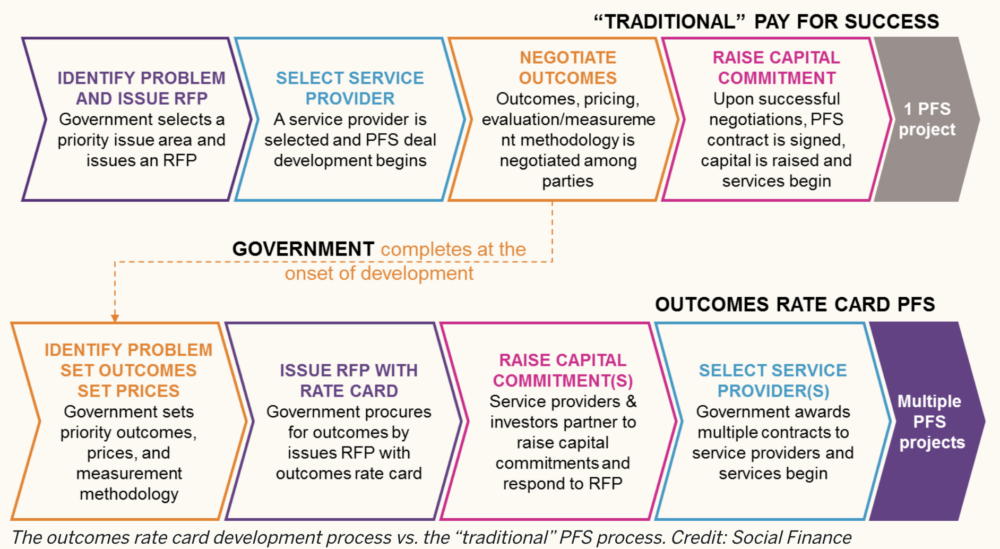
Since 2021, Social Finance has collaborated with the Missouri Children’s Trust Fund (CTF) to design and implement an outcomes rate card, an outcomes-based funding structure that includes high-priority outcome metrics CTF hopes to achieve and an associated payment, or “price,” for each outcome achievement, for their home visiting programs. This structure attaches bonus payments to service providers’ high-quality performance.

Social Finance and CTF designed this rate card to better communicate CTF’s priorities and strengthen home visiting providers’ performance in Missouri. 

The rate card has given us better data, an enhanced feedback loop, and lots of lessons to mull over as we think about effective home visiting practices. At this five-year mark of our design and implementation support for CTF, a few lessons rise to the top: 

  1. Throughout the life cycle of the rate card, provider engagement has been vital. CTF, in collaboration with Social Finance, hosts quarterly performance management meetings with providers who participate in the rate card. During these meetings, providers reflect on the data collected from the rate card and offer insight into the quarter’s performance. Performance management meetings also serve as a space to collect provider feedback on priority metrics. This feedback is then integrated with emerging CTF priorities into any rate card metric refresh occurring between fiscal years.
     
    This kind of collaboration is what makes the rate card work. Providers sit closest to families, so they are best positioned to offer suggestions to others on tweaks to improve performance against metrics and flag which metrics best capture good home visiting. When providers help shape the metrics, the rate card ends up measuring what truly matters to families, not just what is easiest to count. 
  2. The last couple of years have reinforced how effective rate cards can be in supporting change management. In the face of funding stream changes that happened outside of the rate card, CTF was able to build greater stability in the field through consistent rate card metrics and associated funding. Because they had a rate card bonus payment on top of their existing funding streams, providers knew some friction from funding system changes would be lessened. Additionally, through light updates to rate card metrics each year, CTF has helped providers focus on priority outcomes that emerge — because metrics provide bonus payments to providers who perform well, they can be designed to steer home visiting providers toward those priority outcomes. 
     
    For instance, in 2025, CTF identified healthy birth weights as a place for Missouri to reinforce its focus. Low birth weights are a leading cause of infant mortality, and home visiting is a proven strategy to reduce this risk. Social Finance and CTF developed a new metric that results in bonus payments for providers who work with parents who attend prenatal appointments and have infants who achieve healthy birth weights, contributing to better health outcomes for families. This metric generation process can be applied to any key need that arises in a funding stream — for example, any of the 19 performance measures in the Maternal, Infant, and Early Childhood Home Visiting Program (MIECHV).
  3. Finally, the rate card is helping to build a track record of success that enables CTF and partners to expand the home visiting system. Knowing that just more than half of the country allows some Medicaid payment for home visiting services, CTF began partnering with system stakeholders to explore this possibility in Missouri. The habit of data collection and reporting reinforced by the rate card ensured that providers are ready for the billing and recordkeeping required by Medicaid, and data from the rate card and existing, trusted relationships with providers enabled CTF to identify appropriate rates for the service. Home visiting can now be billed to Medicaid using In Lieu of Services (ILOS), expanding home visiting access to more families statewide.  

Our work with CTF shows how an outcomes rate card can be a powerful tool in guiding home visiting providers toward a more outcomes-oriented approach, aligning the state, providers, and families on the outcomes that matter most for ensuring healthy mothers and babies. We’re hopeful others in the system can learn from what has become a compelling collaboration tool for CTF and providers alike.  

Learn more about our results-based funding offerings: Results-Based Funding →

Related Insight

Creating System-Level Accountability through Outcomes Rate Cards in Connecticut
A female healthcare worker listening to the heart of an infant son with his young mother at home.

Creating System-Level Accountability through Outcomes Rate Cards in Connecticut

Social Finance is dedicated to continuously improving the structure of outcomes rate cards to maximize family-level impact, as seen in this four-year partnership with OEC. The outcomes rate card enables governments to pay providers varied…

Social Finance and the Connecticut Office of Early Childhood

Innovations in Pay for Success: Outcomes Rate Cards
Image of outcomes rate cards charts

Innovations in Pay for Success: Outcomes Rate Cards

This blog on Living Cities details how Outcomes Rate Cards are developed and used to achieve high-quality outcomes.
Annie Dear, Casey A. Littlefield

3 Lessons to Effectively Leverage Outcomes-Based Funding to Improve Home Visiting Services in Missouri 
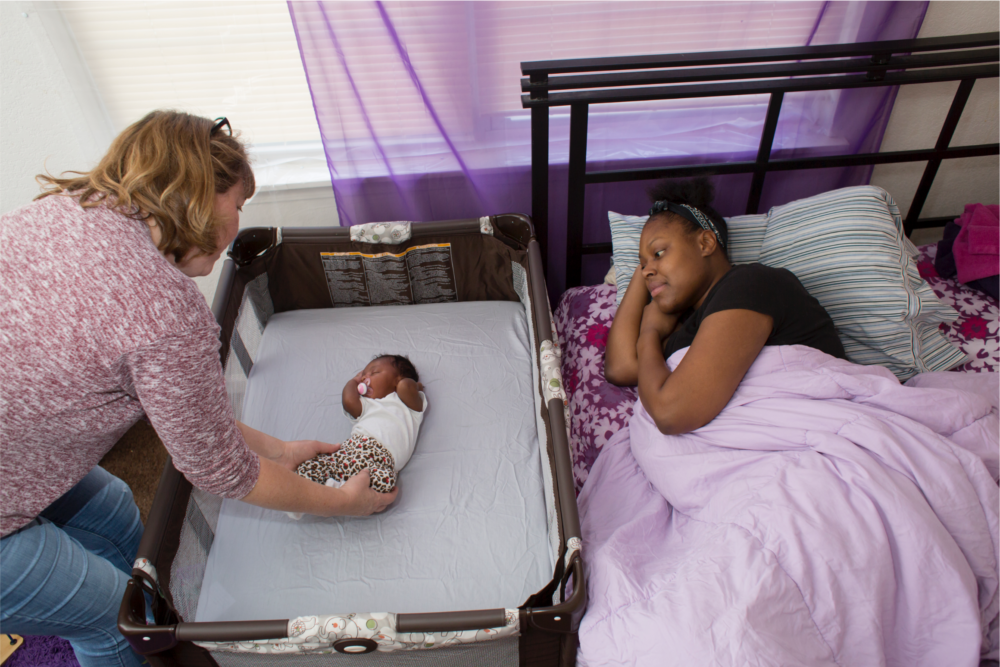
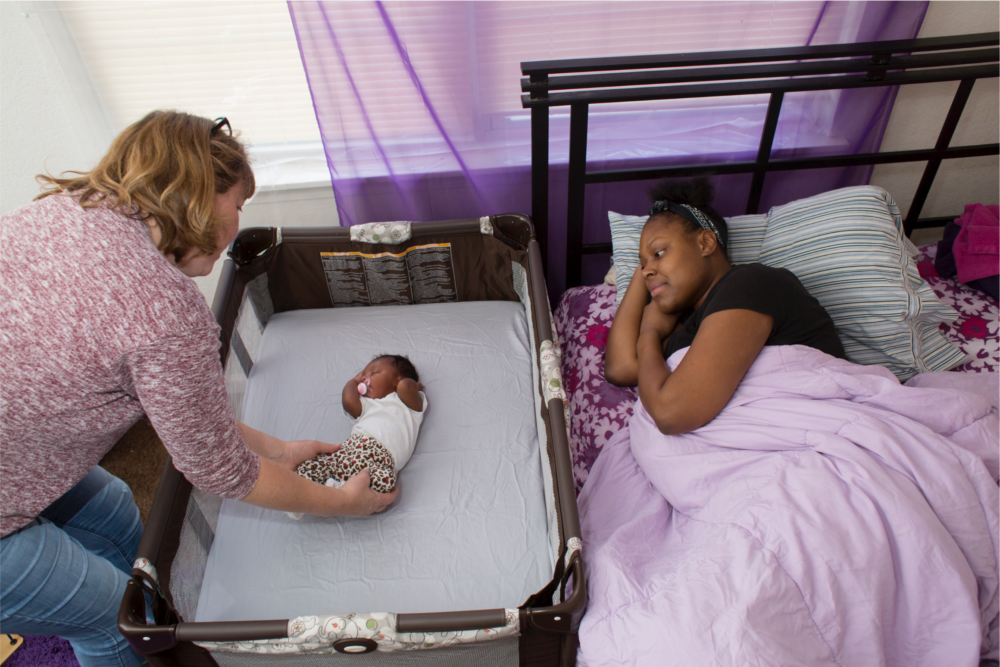
Woman laying in bed while her newborn baby is tended by a nurse in an adjoining crib.

3 Lessons to Effectively Leverage Outcomes-Based Funding to Improve Home Visiting Services in Missouri 

CTF worked with Social Finance to design an outcomes rate card (ORC), an OBF structure that includes a menu of high-priority outcome metrics CTF hopes to achieve and an associated payment, or “price,” for each…

Social Finance and The Children’s Trust Fund of Missouri