Impact-First Investments, Workforce & Economic Mobility
Our food system is at a crossroads. Conventional agriculture remains a leading source of pollution, greenhouse gas emissions, and biodiversity loss, yet farmers seeking to transition to regenerative practices face significant capital gaps and inflexible financing. Less than 1% of U.S. farmland is certified organic, and the farmers best positioned to steward the land often struggle to access the capital they need to make the shift.
This webinar explored how impact investing can help close those gaps. Listen in for a conversation with two fund managers and an investor who are financing the transition to regenerative agriculture and more resilient food systems through innovative models, from flexible credit for transitioning farmers to equity partnerships that keep land in farmers’ hands.
Panelists:
Moderator: John Pion, Director, Social Finance
Dr. Emma Fuller, Co-Founder, Fractal Agriculture
Brandon Welch, Co-Founder, MAD Capital
Caroline Noble, Director, The Monarch Foundation

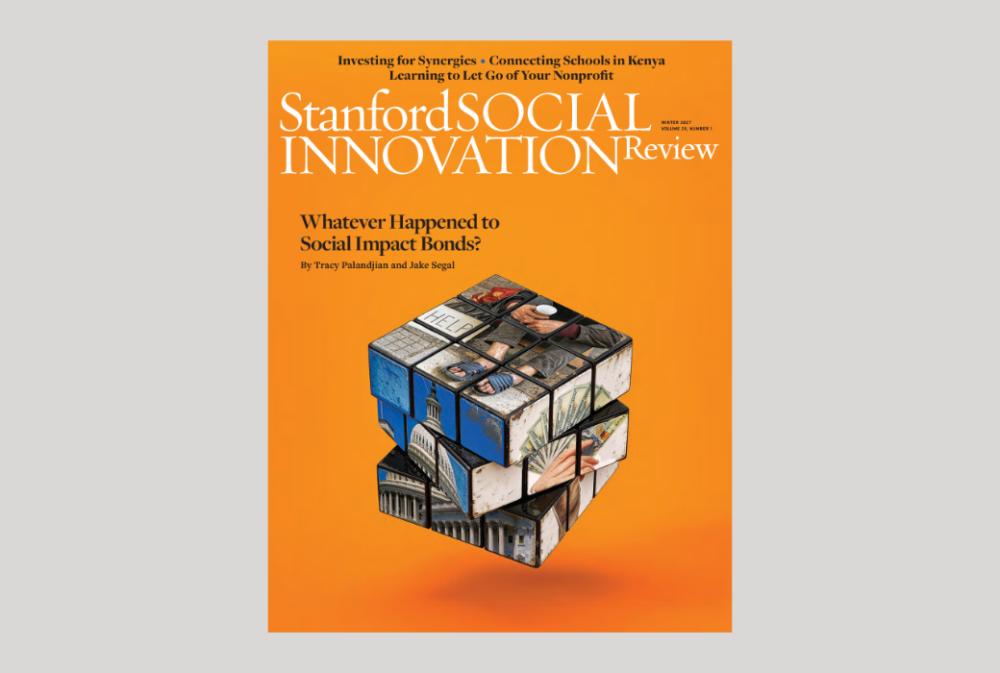
Tracy Palandjian and Jake Segal trace the rise and retreat of Social Impact Bonds (SIBs), which promised after the Great Recession to transform how governments pay for social programs but proved slow, costly, and bespoke…